Prescription Drug Addiction
Prescription Drug Addiction: Signs, Symptoms, and Treatment
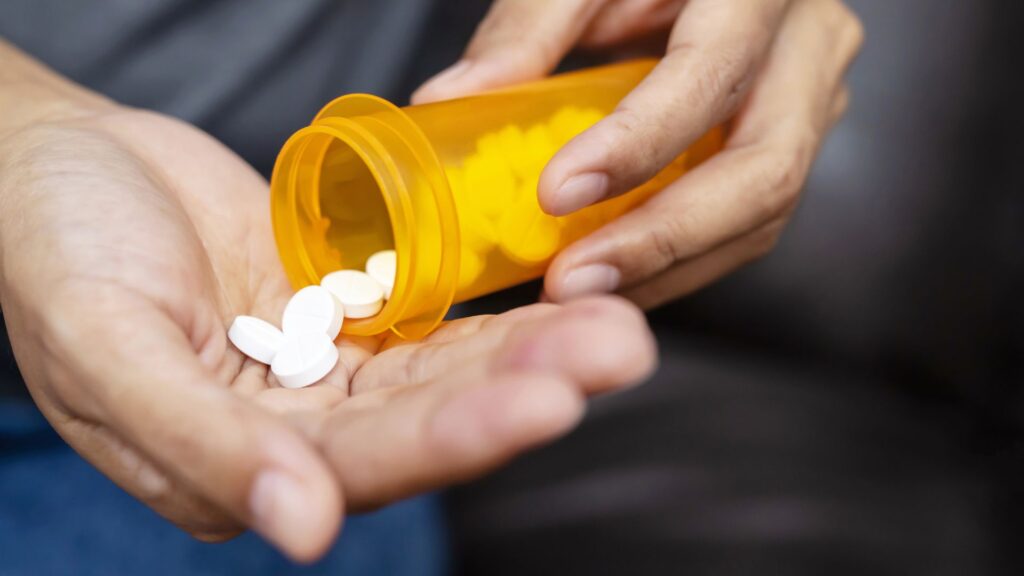
While most prescription medications are safe to take every day, some drugs come with a risk of addiction. For example, benzodiazepines, opioids, stimulants, and barbiturates can lead to dependence and addiction when misused. Unfortunately, prescription drug addiction can be incredibly difficult to overcome without support from a professional treatment center.
Prescription drug addiction is a growing public health challenge across the United States. Millions of people are affected directly or indirectly, making it crucial to understand how prescription drug misuse develops, how to spot early warning signs, and what effective treatment looks like.
If you or a loved one is struggling, reach out to Next Life Recovery today to learn about our prescription drug rehab program in Ohio.
The Scope of Prescription Drug Addiction
Misuse of prescription medicines remains a widespread concern. In 2024, about 2.6% of Americans aged 12 or older reported misusing prescription opioids in the past year—a slight decrease from 3.0% in 2021.[1] But the bigger picture is more troubling: approximately 14.3 million people reported misusing prescription psychotherapeutic drugs, such as stimulants, sedatives, and pain relievers, within the same period.[2]
Meanwhile, opioid-related overdose deaths remain staggering but show a ray of hope. From October 2023 through September 2024, provisional data recorded about 87,000 overdose deaths, a nearly 24% decrease from the previous year.[3] Expanded access to naloxone, better treatment options, and improved public awareness are contributing factors.
Understanding Risk Factors and Triggers
Prescription drug addiction develops when several risk factors intersect:
- Drug tolerance and dependence: Over time, higher doses may be required to achieve the same effect, especially with prescription opioids, CNS depressants, and prescription stimulants.
- Chronic disease and mental health: People managing chronic pain, sleep disorders, or anxiety are more likely to be prescribed medications that carry a risk of addiction.
- Older adults: Multiple prescriptions and over-the-counter medicines can unintentionally lead to unhealthy patterns or dangerous drug interactions.
- Environmental and social factors: Lack of strong social support, limited access to mental health services resources, or stressful life events all heighten vulnerability.
Recognizing Signs and Symptoms of Prescription Drug Addiction
Spotting the signs early can make all the difference.
Behavioral Changes
When someone is addicted to prescription drugs, they’ll display the following behavioral symptoms:
- Taking higher doses than prescribed.
- Doctor shopping for extra prescriptions.
- Neglecting work, family, or school responsibilities.
- Withdrawing from family, friends, and social activities.
- Loss of interest in hobbies
- Spending significant time thinking about, obtaining, or using prescription drugs.
- Becoming secretive about medication use or hiding pill bottles.
- Mixing prescription medicines with alcohol, over-the-counter medicines, or other substances to enhance effects.
- Engaging in unhealthy patterns of behavior, such as driving under the influence.
- Ignoring safety precautions or personal responsibilities due to drug use.
- And more
Physical and Mental Indicators
People addicted to prescription drugs will also display the following physical and mental symptoms:
- Withdrawal symptoms when skipping doses: tremors, sweating, and insomnia.
- Slowed breathing, which can be life-threatening in opioid misuse.
- Heightened anxiety, depression, or mood swings.
- Withdrawal symptoms when not using the medication: sweating, shaking, nausea, or vomiting.
- Changes in sleep patterns — insomnia, hypersomnia, or irregular sleep cycles.
- Fluctuations in body temperature: feeling hot and cold suddenly.
- Persistent fatigue or unexplained drowsiness.
- Unexplained weight loss or gain, depending on the drug type.
How Prescription Drug Misuse Intersects with Other Substances
Prescription drug addiction rarely exists in isolation. Many individuals combine prescription medicines with alcohol, over-the-counter medicines, or other drugs, creating dangerous interactions. Opioid use disorder, for example, often overlaps with use of substances like benzodiazepines or stimulants, significantly increasing overdose risk.
It is also important to note that some people start out abusing a prescription medication like oxycodone. When they can no longer access it, they seek out other opioids to get high on, like heroin. This is how many people develop addictions to notorious drugs like heroin and fentanyl.
Effective Treatment Options for Prescription Drug Addiction
Treatment for prescription drug addiction is most successful when it’s comprehensive, personalized, and evidence-based. Our Ohio-based rehab program includes:
Medication-Assisted Treatment (MAT)
For conditions like opioid addiction and opioid use disorder, medications such as buprenorphine, methadone, or naltrexone are combined with behavioral therapies. This integrated approach helps manage cravings, reduce withdrawal symptoms, and lower relapse risk.
Behavioral Therapies and Counseling
Addiction treatment centers in Ohio use behavioral therapy and counseling services to help people recover, including:
- Group counseling fosters positive relationships and accountability.
- Cognitive Behavioral Therapy (CBT) equips patients with tools to manage cravings and cope with triggers.
- Individual counseling can address co-occurring mental health conditions like depression, anxiety, and sleep disorders.
Peer and Community Support
Recovery coaches and peer-led groups build emotional resilience. It’s often encouraged to attend support groups like Alcoholics Anonymous (AA) or Narcotics Anonymous (NA).
Preventing Prescription Drug Addiction
Prevention strategies are just as critical as treatment. Reducing prescription drug misuse requires collaboration between health care providers, policymakers, and communities:
- Educate patients on proper use and potential risks of prescription medicines.
- Monitor prescriptions to identify unhealthy patterns early.
- Encourage safe storage and disposal of unused medications to prevent misuse by others.
- Expand public access to harm-reduction tools, like over-the-counter naloxone, to prevent fatal overdoses

The Emotional Side of Recovery
Addiction doesn’t just affect the body—it impacts emotions, relationships, and identity. Recovery requires more than detox:
- Rebuilding trust and forming positive relationships is vital.
- Addressing guilt, shame, and stigma helps patients engage fully in treatment.
- Recognizing addiction as a chronic disease, rather than a personal failing, shifts focus toward healing and hope.
It’s also important for families to be involved in recovery. Oftentimes, addiction impacts people’s loved ones, causing strained relationships and a breakdown in support or communication. When family members are included in addiction treatment, everyone benefits.
A Path Forward With Prescription Drug Addiction Treatment in Ohio
Prescription drug addiction touches every demographic, from teens misusing prescription stimulants to older adults unintentionally mixing other medicines. But recovery is possible.
You should:
- Know the withdrawal symptoms and warning signs.
- Speak openly with your doctor if you’re concerned about dependence.
- Seek treatment early, and don’t hesitate to ask for help.
- Support broader public health efforts to increase access to mental health and addiction treatment services.
Reducing the burden of prescription drug addiction means combining personal awareness, clinical innovation, and community engagement. Together, we can rewrite the narrative—one successful treatment, one positive relationship, and one life saved at a time.
If you are looking for prescription drug addiction treatment in Ohio, it’s time to call Next Life Recovery. At our facility, we use evidence-based treatments to address substance use disorders, which means you have a solid shot at long-term sobriety. Contact us today for more information on how to get started.
Frequently Asked Questions About Prescription Drug Addiction
1. Can someone become addicted even when taking prescription medicines as directed?
Yes. Even when used exactly as prescribed, certain medications—such as opioids, benzodiazepines, and prescription stimulants—can lead to physical dependence and drug tolerance over time. Addiction risk increases with long-term use, higher doses, or when underlying risk factors like chronic pain, mental health conditions, or genetic predisposition are present. Open communication with your doctor is key to minimizing risks.
2. How long does it take to develop prescription drug addiction?
There’s no single timeline—it varies based on the type of drug, dosage, frequency of use, and individual biology. Some people may develop dependence after just a few weeks of regular use, while others may take months. Medications like opioids and CNS depressants typically carry a faster addiction potential, especially when combined with other substances like alcohol or sedatives.
3. Are over-the-counter medicines safer than prescription drugs?
Not always. While over-the-counter medicines may seem safer, misuse—such as taking higher doses than recommended or combining them with prescription medicines—can still lead to dangerous medical consequences. Some cold medicines, sleep aids, and pain relievers are particularly risky when mixed with alcohol, opioids, or CNS depressants. Always follow usage instructions and consult your healthcare provider when taking multiple medications.
4. Can prescription drug addiction be treated without medication-assisted treatment (MAT)?
Yes, but medication-assisted treatment (MAT) often improves success rates, especially for opioid use disorder. Non-MAT approaches may include behavioral therapies, group counseling, and holistic programs that integrate mental health support and lifestyle changes. However, individuals struggling with severe withdrawal symptoms or cravings may benefit from combining MAT with counseling for better long-term recovery outcomes.
5. How can families support a loved one struggling with prescription drug addiction?
Family support can be transformative. Here are some actionable steps:
- Educate yourself about prescription drug misuse and its risks.
- Encourage your loved one to seek treatment and connect with reputable addiction medicine providers.
- Offer nonjudgmental support and avoid shaming or enabling behaviors.
- Consider participating in family counseling or support groups to navigate challenges together.
6. What should I do if I suspect someone is overdosing on prescription drugs?
Call 911 immediately. While waiting for help, if available, administer naloxone (Narcan), which can reverse the effects of opioid overdoses. Stay with the person, monitor their breathing and body temperature, and provide rescue breaths if necessary. Even if they regain consciousness, medical attention is still critical since some opioids can cause life-threatening effects hours after the initial overdose.
References:
- The Substance Abuse and Mental Health Services Administration (SAMHSA): Results from the 2021 National Survey on Drug Use and Health (NSDUH): Key Substance Use and Mental Health Indicators in the United States
- The National Institute on Drug Abuse (NIDA): Prescription Drug Misuse
- The Centers for Disease Control and Prevention (CDC): CDC Reports Nearly 24% Decline in U.S. Drug Overdose Deaths